
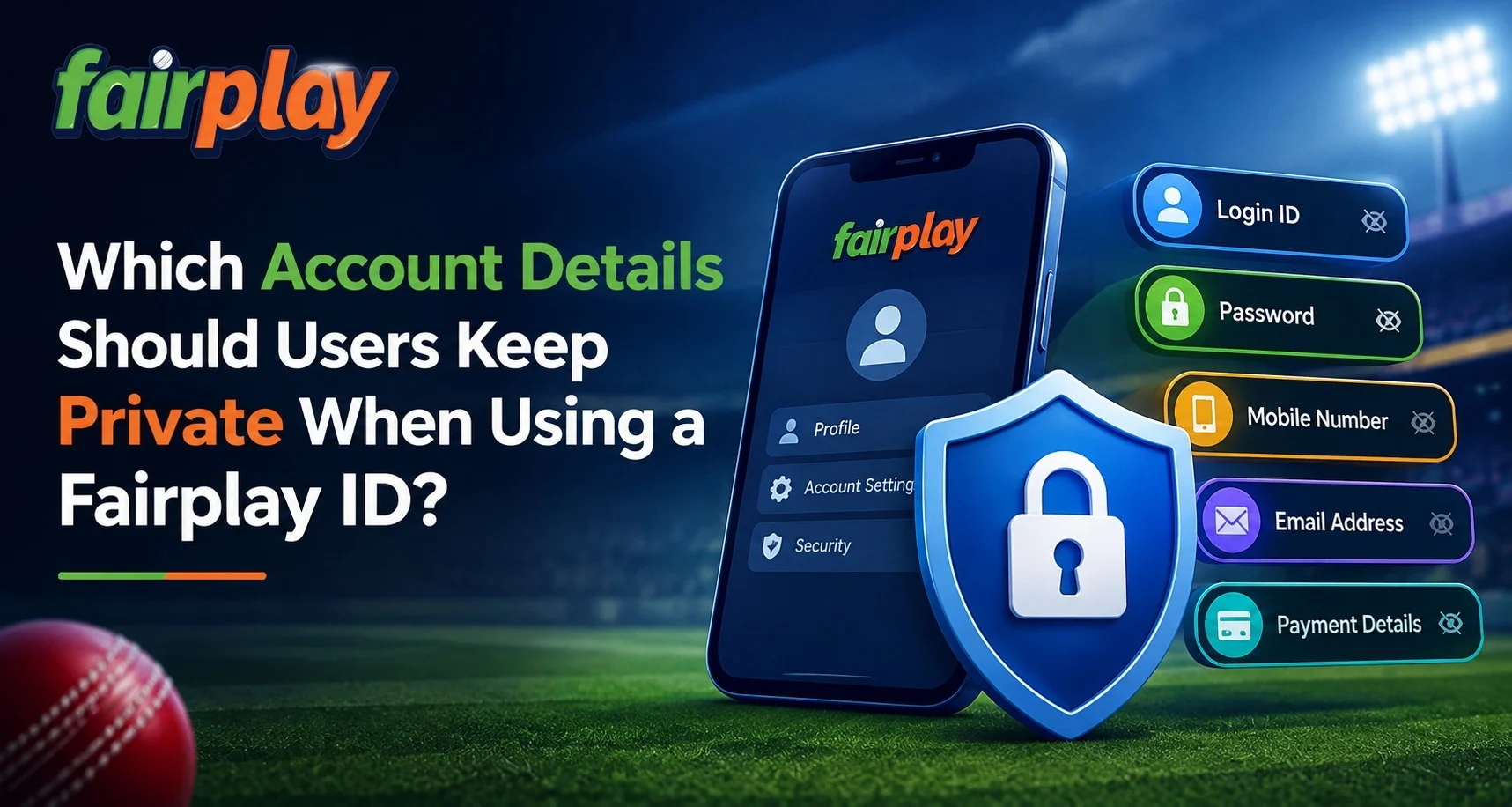
A message claiming that your account will be blocked can make you act before you think. You might be tempted to send a code or screenshot just to resolve the problem quickly. When using a fairplay , knowing which details are safe to share and which must stay private can help you avoid account theft, payment fraud, and impersonation.
Keep passwords and verification codes completely private
Your password, one time password (OTP), recovery code, and any account security answer should remain yours alone. Never send them to a person who contacts you through chat, email, social media, or a phone call.
An OTP is designed to confirm that you control a phone number or account. Sharing it can let someone else complete a sign in or reset process. If a message says you must reveal a code to stop an account from closing, pause and verify the request through a trusted channel you found independently.
Protect payment details, not just your login
Keep your UPI PIN, bank password, card PIN, card security code, and banking OTP private. These are not the same as a transaction reference. A genuine payment investigation may need a transaction ID, amount, date, or a carefully cropped receipt, but it should not require your secret PIN or password.
Before sending proof of payment, check the screenshot for your balance, full account number, personal notifications, or other information unrelated to the issue. Hide anything unnecessary. Never install remote access software or share your screen because a stranger says it is needed to release funds.
Check the quality of the identity verification process
An account provider may request identity verification, depending on its rules and applicable law. A government ID, date of birth, address, and registered phone number can be sensitive information, so do not send them to a random number or upload them to a form received in an unsolicited message.
First, check that you are using the correct service and understand why each document is required. Look for a clear privacy notice, a specific reason for data collection, and a verifiable way to contact the operator. Review its policy and use a verified submission process. Do not alter official documents, and do not send someone else’s ID. If you are unsure whether the request is legitimate, stop and confirm it independently.
Improve the support experience without oversharing
A customer support conversation should focus on solving the problem, not collecting every detail about you. For a fairplay login issue, you may be able to explain the error, provide your account ID privately, and share the time it occurred without revealing your password or OTP.
Be cautious with public comments and group chats. An account name or reference number may help a verified support team identify a case, but it can also help scammers target you when posted openly. Use only contact details you independently confirmed, and be wary of anyone asking for an extra payment or promising guaranteed recovery.
Keep access convenient and safe across devices
Convenience should not mean leaving an account open on every device. Use a strong, unique password, lock your phone, update your browser and operating system, and avoid signing in on public or shared computers. If you do use a shared device, sign out fully and do not save the password.
Avoid public Wi Fi for sensitive account activity when possible. If a login alert appears that you do not recognise, change your password from a trusted device and review available account security settings. These simple precautions can make everyday access more comfortable without compromising privacy.
Read More : A Complete Guide to the Fairplay Live Online Experience
Build long term privacy habits as expectations change
Scams change their wording, but the warning signs often remain the same: urgency, secrecy, unexpected links, and requests for codes or payment details. Pause before acting, check the source independently, and share only the minimum information needed to resolve a genuine issue.
Privacy expectations also differ between countries. Before using any online service, check local laws, eligibility rules, the service’s terms, and how it handles personal information. No platform name alone guarantees safety. At Fairplay, take a careful approach to every request and keep your login credentials, financial secrets, and verification codes under your control.
FAQs
1. Which account details should never be shared?
Never share your password, OTP, UPI PIN, banking password, card security code, or account recovery codes. These credentials can allow someone to access your account or misuse your financial information.
2. Can customer support request identity documents?
A service may require identity documents for legitimate verification, depending on its policies and applicable laws. Verify the request and submission channel independently before sending sensitive documents.
3. Is it safe to send a payment screenshot?
Only share a screenshot when it is genuinely necessary and the recipient has been verified. Hide your balance, full account details, notifications, and unrelated personal information before sending it.
4. What should you do after sharing an OTP accidentally?
Change your password immediately from a trusted device and secure any affected accounts. Contact the relevant service provider and your bank promptly if financial details or payment access may have been exposed.
5. How can you recognise a suspicious login request?
Be cautious of unexpected messages that demand immediate action, request secret codes, or threaten account closure. Verify the website and contact details independently instead of relying on information supplied in the message.


